
How Much Is 10 oz? Weight, Grams, Cups & Examples
Ten ounces is a small amount of weight. It equals about 283 grams. That is the same as 0.625 pounds, or five-eighths of a pound. On a scale, it reads as 0 lb 10 oz. Sometimes “oz” means fluid ounces instead. In that case, 10 fluid ounces is about 296 ml, or 1¼ cups.
Ever pick something up and wonder how much it weighs? Ten ounces is easier to picture than you think. It is about two baseballs held together. It is also 2½ sticks of butter. Once you know a few objects like these, you can guess 10 oz with just your hand. No scale needed.
The word “oz” can be tricky because it has two meanings. One is weight, and one is volume. Ten ounces of weight is 283 grams. Ten fluid ounces is a liquid amount, about 1¼ cups. Always check which one you need. This small step stops most measuring mistakes before they happen.
The Short Answer: What 10 Ounces Actually Is
Ten ounces usually means weight: about 283.5 grams, or 0.625 pounds — that’s five-eighths of a pound, or “10 oz” on a scale that reads pounds-and-ounces. If “oz” instead means fluid ounces (volume), then 10 US fluid ounces ≈ 296 ml, or 1¼ cups. Same number, two different measurements — so it’s always worth checking which one you need.
10 oz by Weight: The Conversions
Most people asking this question are weighing something — food, mail, a parcel. Here’s 10 ounces of weight across the units you’ll actually use.
| Unit | 10 oz equals |
| Ounces (oz) | 10 oz |
| Pounds (lb) | 0.625 lb (⅝ lb) |
| Grams (g) | 283.5 g |
| Kilograms (kg) | 0.283 kg |
The conversion never changes: 1 ounce = 28.35 grams, so ten of them is 283.5 g. It sits just past a quarter-kilo and a hair under two-thirds of a pound.
Is 10 Ounces Heavy or Light?
Ten ounces is a light-to-moderate handheld weight — heavier than a smartphone, lighter than a full soda can, and about the load of a small hardback book. It’s the kind of weight you can hold in one open palm without thinking about it, but you’d notice it in a jacket pocket. In grocery terms it’s a modest amount: a small tin of something, not a family-sized one.
For a body reference, most adult hands can comfortably cradle 10 oz flat on the palm. It reads as “a solid little object,” not “a heavy thing.”
Read Also: What Is 20 kg? Weight, Conversions & 6 Real Examples
6 Everyday Objects That Weigh About 10 Ounces
I’ve leaned on items with tightly known weights here, and flagged where a comparison is exact versus close. A few objects competitors love to list (a medium apple, a deck of cards, a can of soda) don’t actually weigh 10 oz — more on that in the misconceptions section.
Two Baseballs
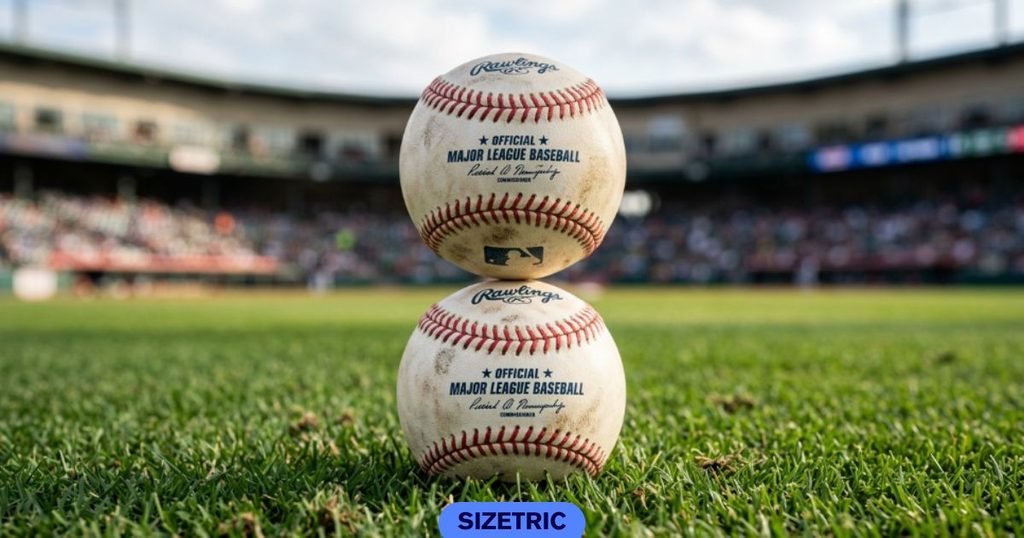
A regulation baseball weighs 5 to 5.25 ounces, so two of them stack up to almost exactly 10 oz (about 284–298 g). This is my favourite mental yardstick because the range is so tight — baseballs are manufactured to a strict spec, so “two baseballs” is reliably 10-ish ounces every time. Picture holding one in each hand: that combined heft is your target.
Two and a Half Sticks of Butter
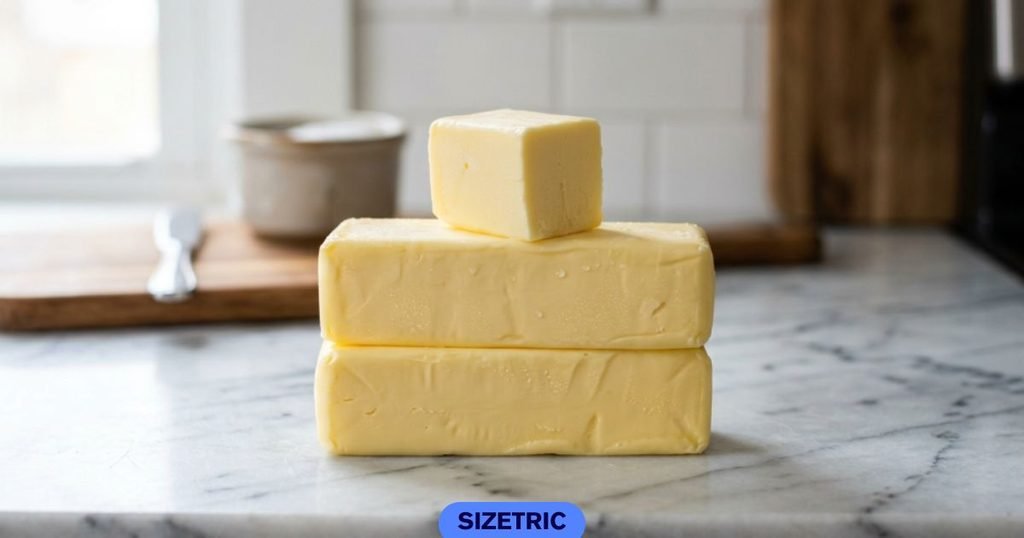
In the US, a stick of butter is 4 ounces (113 g). Two and a half sticks come to precisely 10 oz — and since butter is pre-portioned, this is the most exact everyday reference you’ll find. It’s also the handiest one in a kitchen: if a recipe calls for 10 oz and your scale dies, count out 2½ sticks.
A Can of Condensed Soup
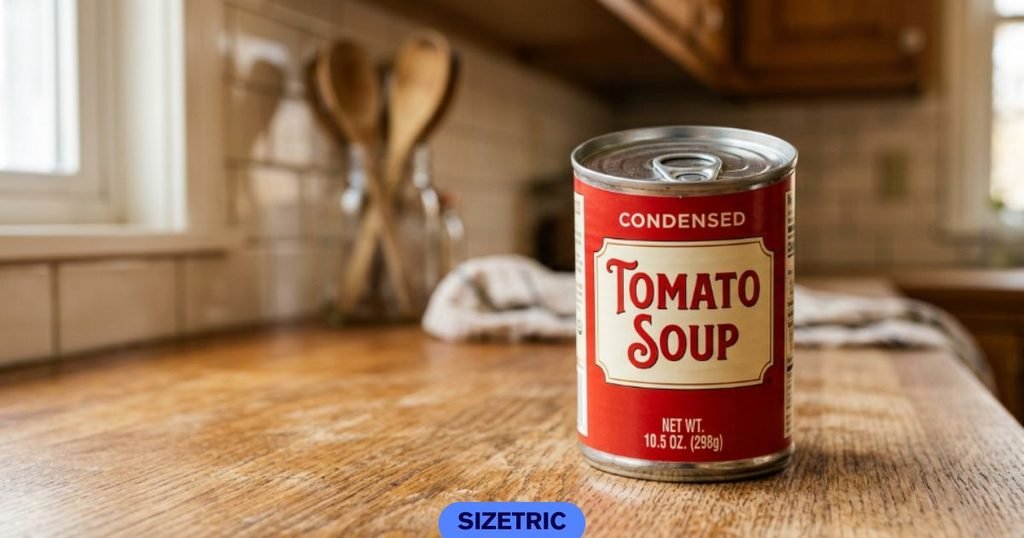
The classic red-and-white condensed soup can holds a net 10.5 ounces (about 298 g) of soup. That’s within half an ounce of our target, which makes a full soup can a great grab-and-feel reference in any pantry. Empty, the steel can barely registers; it’s the contents doing the work.
A Small Tablet (iPad mini)
A compact tablet like an iPad mini weighs roughly 10.4 ounces (around 293 g). If you’ve held one, you already know what 10 oz feels like in a flat, spread-out form rather than a dense lump. Weight feels different depending on how it’s distributed — a tablet spreads 10 oz across a wide surface, so it can feel lighter than a fist-sized soup can of the same weight.
Ten Fluid Ounces of Water
Here’s the bridge between the two meanings: 10 US fluid ounces of water weighs about 10.4 ounces (roughly 296 g). Water is close to 1 gram per millilitre, so a 296 ml pour lands near our weight target too. It’s a neat coincidence that keeps the two “10 oz” answers surprisingly close — for water, at least.
A Large Orange (Almost)
A large navel orange runs about 8 to 9 ounces (230–260 g), so it falls a touch short of 10 oz on its own. Add a small tangerine and you’re there. I include it as an honest “close but under” reference — useful because it shows 10 oz is a bit more than one big piece of fruit, not less.
10-Ounce Comparison Table
| Reference object | Typical weight | How close to 10 oz |
| 2½ sticks of butter | 10 oz (283 g) | Exact |
| Two baseballs | 10–10.5 oz (284–298 g) | Almost exact |
| Can of condensed soup | ~10.5 oz net (298 g) | Very close |
| Small tablet (iPad mini) | ~10.4 oz (293 g) | Very close |
| 10 fl oz of water | ~10.4 oz (296 g) | Very close |
| Large orange | ~8–9 oz (230–260 g) | Slightly under |
How Do You Measure 10 oz Without a Scale?
No scale nearby? Use a known-weight object to calibrate your hand or fill a container. These methods get you within an ounce or two — fine for cooking, portioning, and rough mailing checks.
- Count butter sticks. Two and a half standard US sticks equal 10 oz exactly. This is the most accurate scale-free swap for solids.
- Grab two baseballs (or two tennis-ball-sized items ~5 oz each). Held together, they mimic 10 oz of dense weight — good for calibrating your palm before you pick up the real object.
- Use a measuring cup for liquids. Fill to 1¼ cups (10 fl oz) of water; it weighs about 10.4 oz, close enough for most purposes.
- Lean on a labelled can. A full 10.5 oz soup can is a ready-made reference — heft it, then compare your mystery object.
- Halve a known pound. If you have a 1 lb (16 oz) bag of something, 10 oz is a bit under two-thirds of it.
What Weighs Just Below and Just Above 10 oz?
Knowing the neighbours makes 10 oz easier to place. Directly below sits 8 oz — half a pound (227 g), the weight of a stick-and-a-half of butter or a standard burger’s worth of raw ground beef. Directly above is 12 oz — three-quarters of a pound (340 g), which is what a full 12 fl oz can of soda actually weighs once you include the liquid.
The quick tell: 8 oz feels like “half a pound,” 10 oz feels like “just past a quarter-kilo,” and 12 oz starts to feel like a proper hand-weight. Get to 16 oz and you’ve hit a full pound.
Is 10 oz the Same as 10 Fluid Ounces?
No — weight ounces and fluid ounces measure completely different things, and mixing them is the most common 10-oz mistake. A fluid ounce measures volume, not weight. Here’s 10 US fluid ounces in the units cooks and bartenders use.
| Unit | 10 fl oz equals |
| US fluid ounces | 10 fl oz |
| Cups (US) | 1¼ cups |
| Millilitres | ~296 ml |
| US pints | 0.625 pt (⅝ pt) |
| Tablespoons | 20 tbsp |
One catch for international readers: the imperial fluid ounce is slightly smaller than the US one. 10 US fl oz ≈ 296 ml, but 10 imperial fl oz ≈ 284 ml — a difference worth noting when following a British recipe against American measuring cups.
For food portions, 10 fluid ounces is a generous mug of coffee, a large glass of milk (about 1¼ cups), or roughly a third of a standard wine bottle.
Read Also: How Long Is 25 Feet Visually? 6 Ways to Picture It
Three 10-Ounce Myths Worth Correcting
“A 12-oz soda can weighs 12 ounces.” It doesn’t. The “12 oz” on the can is fluid ounces (volume); a full can actually weighs about 13 oz once you count the aluminium. This weight-versus-volume mix-up is exactly why “how much is 10 oz” needs two answers.
“A medium apple weighs 10 oz.” A medium apple is closer to 6.5 oz (about 182 g). You’d need a very large apple plus change to reach 10 oz — so it’s a shaky reference despite being widely repeated.
“A deck of cards is a good 10-oz stand-in.” A full deck weighs only about 3.3 oz (94 g) — nowhere near 10. Stacking three decks gets you close, but it’s not the tidy comparison some pages suggest.
Fast Answers
What is 10 oz equal to in cups?
Ten fluid ounces equals 1¼ cups. This works because 8 fluid ounces make one US cup.
How much is 10 oz per cup?
Ten fluid ounces fills one cup plus a quarter more. So 10 fl oz is 1¼ cups, not a single cup.
Is 10 oz half a cup?
No, 10 fluid ounces is much more than half a cup. Half a cup is only 4 fluid ounces.
How much is 10 oz in mL?
Ten US fluid ounces equals about 296 mL. In imperial units, 10 fl oz is close to 284 mL.
Is 10 oz 300ml?
Not quite, but it is very close. Ten US fluid ounces is 296 mL, just under 300 mL.
Is 1 ounce equal to 1 mL?
No, one fluid ounce is not one mL. One US fluid ounce equals about 29.6 mL.
The One-Line Takeaway
So now you know how much is 10 oz. By weight, it is about 283 grams. That is the same as 0.625 pounds, or five-eighths of a pound. You can picture it as 2½ sticks of butter. You can also think of two baseballs held together. Both of these weigh close to 10 ounces. These simple objects help you guess the weight without a scale.
Remember that “oz” has two meanings. One meaning is weight, and the other is volume. Ten fluid ounces is about 1¼ cups, or 296 ml. Always check which one your task needs. This one small step keeps your work correct. Keep these easy examples in mind, and you will spot 10 ounces with ease every time you need it.
Related Guides:
1: How Long Is 30 Meters? Feet, Yards & Real Examples
2: How Long Is 30 Feet? Visualize It With Real Objects
3: How Far Is 500 Meters? 6 Real-World Ways to Picture It
4: How Far Is 50 Feet? 7 Everyday Comparisons + Chart
5: How Long Is 10 Meters? Feet, Steps & Real Examples



2 Comments